Energy Communities, a strategy in favor of the rural world

I am the son of Erinyà, in the Pallars Jussà region, and for the last few months I have been able to live there in a relatively stable way, thanks to an antenna that allows me to work remotely.
Professionally, I am dedicated to promoting the energy transition in Catalonia, because it is something that needs to be done and is just as important as anywhere else in the world, since the challenge of the climate crisis is global and affects us all.
In Erinyà there are five people living, in two houses, permanently. Two more residents occupy other two houses, for irregular periods but long seasons.
With these figures and the current conditions, the inhabitants of these types of villages will never be able to participate actively in the energy transition and benefit from the new economy that should facilitate, among other things, territorial rebalancing.
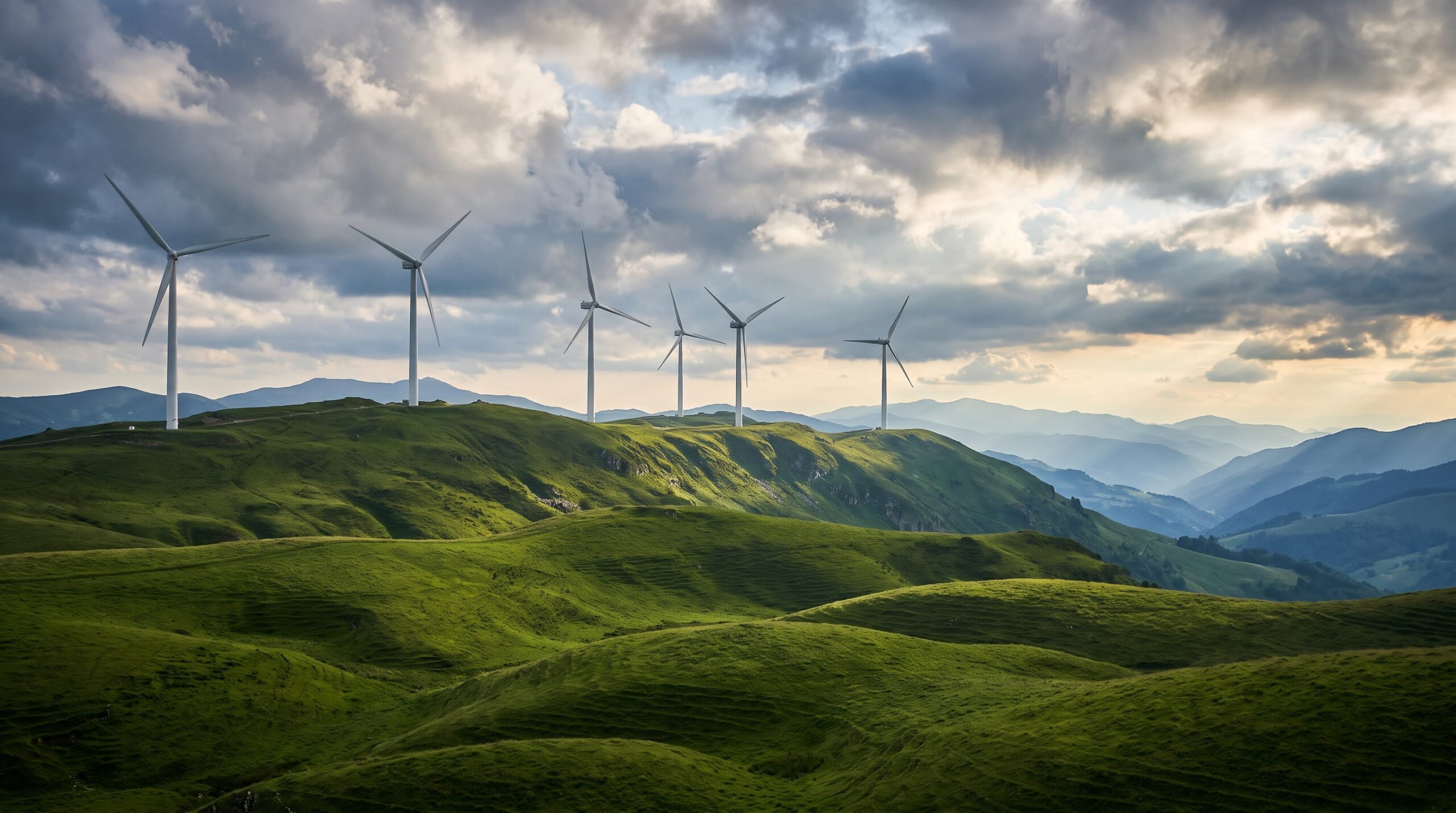
We can consider the creation of Energy Communities to be one of the possible solutions to activate this change in the electricity sector, which will make it possible for people living in any place to participate in new goals when generating electricity. If over the past hundred years the main goal has been to generate large amounts of energy and have the power to power industry, now we are in a position to put citizens at the center and produce renewable energy in a sustainable way, and above all, by making the priority goals be the environmental and economic benefits for the partners of the respective Energy Communities.
Of all the options for Energy Communities, we focus on those that we believe are most attractive to the population, which are the Citizens’ Energy Communities. As of today, they exist in the European Directive on Common Standards for the Internal Electricity Market, which member countries must transpose into their national legislation before December 31st, 2021.
Assuming that Spain complies with its commitment, we can imagine that at the end of the year we will have a law with the text of the European Directive, and that the necessary regulations that will develop the details of it will see the light of day throughout 2022.
What is a CCE and what can it do? The following paragraph contains the translation of the Directive:
legal entity of Voluntary participation and whether it is effectively controlled by shareholders or its members are natural persons, local authorities, including the municipalities, or small businesses, The main objective of which it is to be offered environmental, economic or social benefits for its members or the locality where its activity takes place, Rather than generating financial profitability. A Citizen Energy Community can participate in the generation, including that from renewable sources, the distribution, the supply, the consumption, the aggregation, the energy storage, the provision of energy efficiency services, the provision of charging services for electric vehicles or other energy services to its shareholders or members.
From this paragraph we can extract some ideas.
First of all, we see that excludes large companies, Therefore, it opens them to a limited number of participants and, in addition, requests effective control by the members in part, so that it is an association, a cooperative, or any kind of entity, each member will have one vote, regardless of their contribution.
We also read that their goal is not to generate financial profitability, which is another reason to understand that large companies are excluded, since this does not fit in any way with their goals.
Finally, we read about the activities in which he can participate, which are all related to the electrical sector.
Let's give an example.
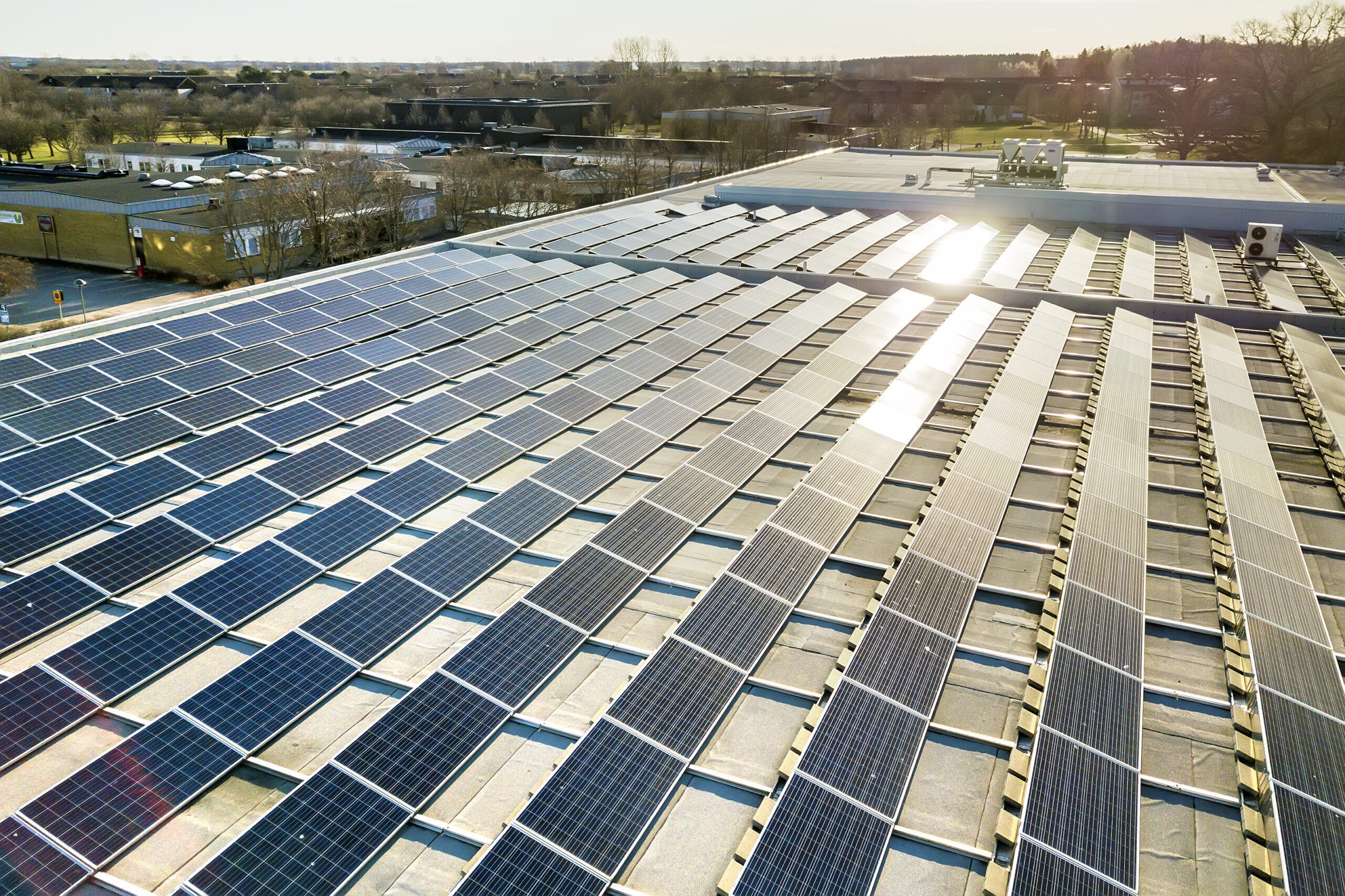
A Citizen Community created with the scope of the Pallars Jussà could have generation in some public roofs, sports pavilions, houses, etc., and two or three solar parks, each occupying about 5 hectares.
All the citizens of the Region, on a voluntary basis, plus the Municipal Councils, could be part of the Citizen Community. We insist, on a voluntary basis, that a neighbor and their partner do not have to optimize energy through cables; instead, they will do it through the internet. For example, it will be foreseen whether tomorrow at 12 o’clock it will be very sunny or there will be clouds; this will allow us to decide today whether to charge the batteries that will be present in some villages, and at what level, to ensure that tomorrow the solar energy will also be available even if it does not occur at that moment. All of this should serve to pay for a more economical bill for each household and each Municipal Council, since the individual benefit will result from the collective benefit.
The seven inhabitants of Erinyà could, each according to their own criteria, decide whether to participate in this Community, which would otherwise be unattainable due to the complexity and need for a minimum number of participants.
There are already examples of Energy Communities, such as the seven we are setting up in the province of Girona, two in the Vallès Oriental, sixteen in preparation in Lleida and two in Tarragona. We have to start sowing.
Author: Santi Martínez Farrero. General Director of KM0 Energy
Article published in the magazine La Terra, by Unió de Pagesos
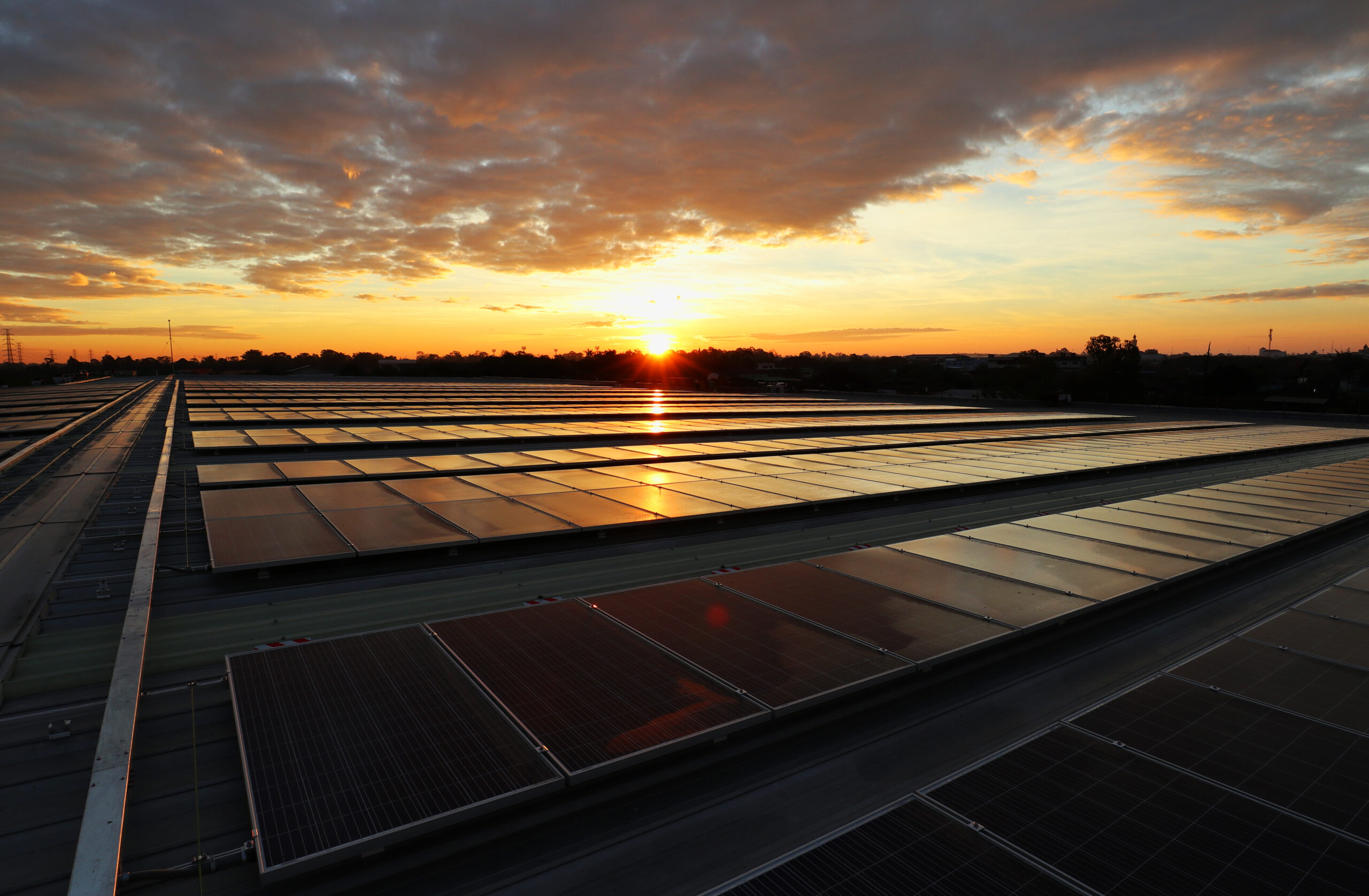
Photo: Energy Community in Rupià