
FAQ
The questions we are asked most by companies and public authorities, grouped by service. Search for your question or filter by area.
Support from diagnosis to operation
We are your trusted technical team. We represent you before everyone involved in the project and make sure the installation arrives as planned. You decide at each milestone, with all the information on the table.
We help you choose wisely. We compare the offers with an independent eye, so that the final decision is yours and well founded.
Operational intelligence
We link energy to the way your company produces. That way each product, line or client has its real energy cost, and you have a solid basis for setting prices and improving margin.
What you already have. We start from the available information and, as the project progresses, we help you identify which data adds the most value to your decisions.
The international standard for energy management systems. It sets out a cycle of continuous improvement (plan, do, check, act) to reduce consumption steadily.
It brings order to energy management, gives the right people responsibility and makes sure savings are sustained over time. In Spain, companies with a certified system are also exempt from the mandatory energy audit under Royal Decree 56/2016.
A single view of consumption, cost and generation across all your plants, warehouses and sites, so you can compare sites and catch deviations before they reach the bill.
Bills and meters, sub-metering of the main equipment, generation and storage installations and, where it adds value, production data from the plant system. We start with what you already have and add metering where it is missing.
Competitive energy transition
An organisation or agreement that lets residents, shops, businesses or town councils share the energy from nearby renewable installations and split the benefits.
An industrial estate or group of neighbouring companies that share renewable generation, storage, charging points and, where possible, their grid connection. Together they secure more capacity, lower energy costs and projects no single company would take on.
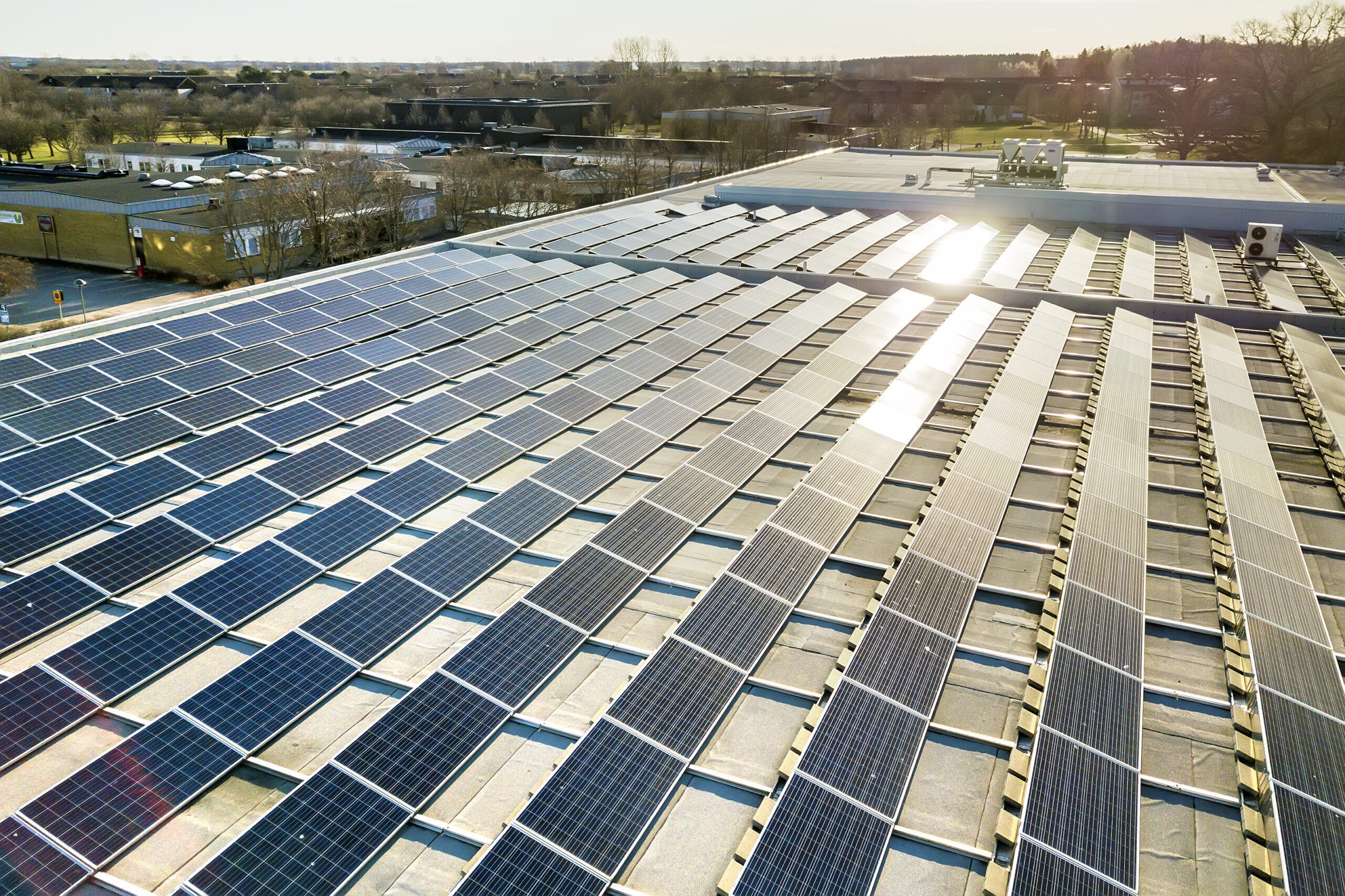
They have large roofs for solar generation, constant refrigeration demand and, as fleets electrify, growing charging needs. Sharing energy and infrastructure with their neighbours brings costs down.
It can be the sponsor, sharing energy from municipal buildings with residents, or the facilitator, providing technical support or making roofs available to a citizen energy community.
From real routes: distance, load, stops and dwell times. That data shows which vehicles can be electrified now, where and when they charge, how much power the depot needs and the total cost compared with diesel.
Regional distribution, shuttles between sites and routes that return to base every day are the first candidates. The route study confirms it vehicle by vehicle and sets out a timeline for the rest of the fleet.
It depends on the number of vehicles and the charging window. If the current connection falls short, smart charging, rooftop solar and batteries are combined to avoid or defer a grid upgrade.
Lower cost per kilometre, fewer emissions and less noise in town, and it makes it easier to meet the requirements of low-emission zones and public transport tenders.
A roadmap that ranks an organisation's energy investments (efficiency, self-consumption, batteries, electrification) by return and impact, with a timeline, budget and tracking indicators over two to three years.
With a diagnosis of current consumption, contracts and assets. From there, priority goes to the measures that pay back soonest and those that unlock the next ones.
First of all, to ensure that the company continues to operate in the face of any network issues: micro-cuts, voltage gaps, or an increase in power that the distributor still cannot provide. In addition, it takes advantage of the surplus solar energy, purchases energy during the cheapest hours, cuts down on peak loads, and, if the operation allows, participates in flexibility services.
Yes. A well-integrated system takes over in milliseconds and powers critical loads until the grid is back. In one of our food-industry projects, the battery responds in under 10 ms and production carries on without stopping.
A battery charged from solar or during low-demand hours supplies the missing power at peak times. That lets the business grow and electrify at its own pace while any connection upgrade is processed.
It starts with measuring the real heat demand. That data is used to size the heat pump or electrical equipment, check the available capacity and plan how to cover it with solar, batteries or a bigger connection.
Those that can shift consumption without affecting the product: cold storage operators, the food industry, processes with furnaces, compressors or pumps, water treatment plants, and businesses with solar, batteries or electric fleets.
There are two main ones. In the generation model, the park sells its output on the market or to a buyer under a long-term power purchase agreement (PPA). In the large-scale self-consumption model, the park is linked to an industrial site or estate, supplies its demand and exports any surplus to the grid.
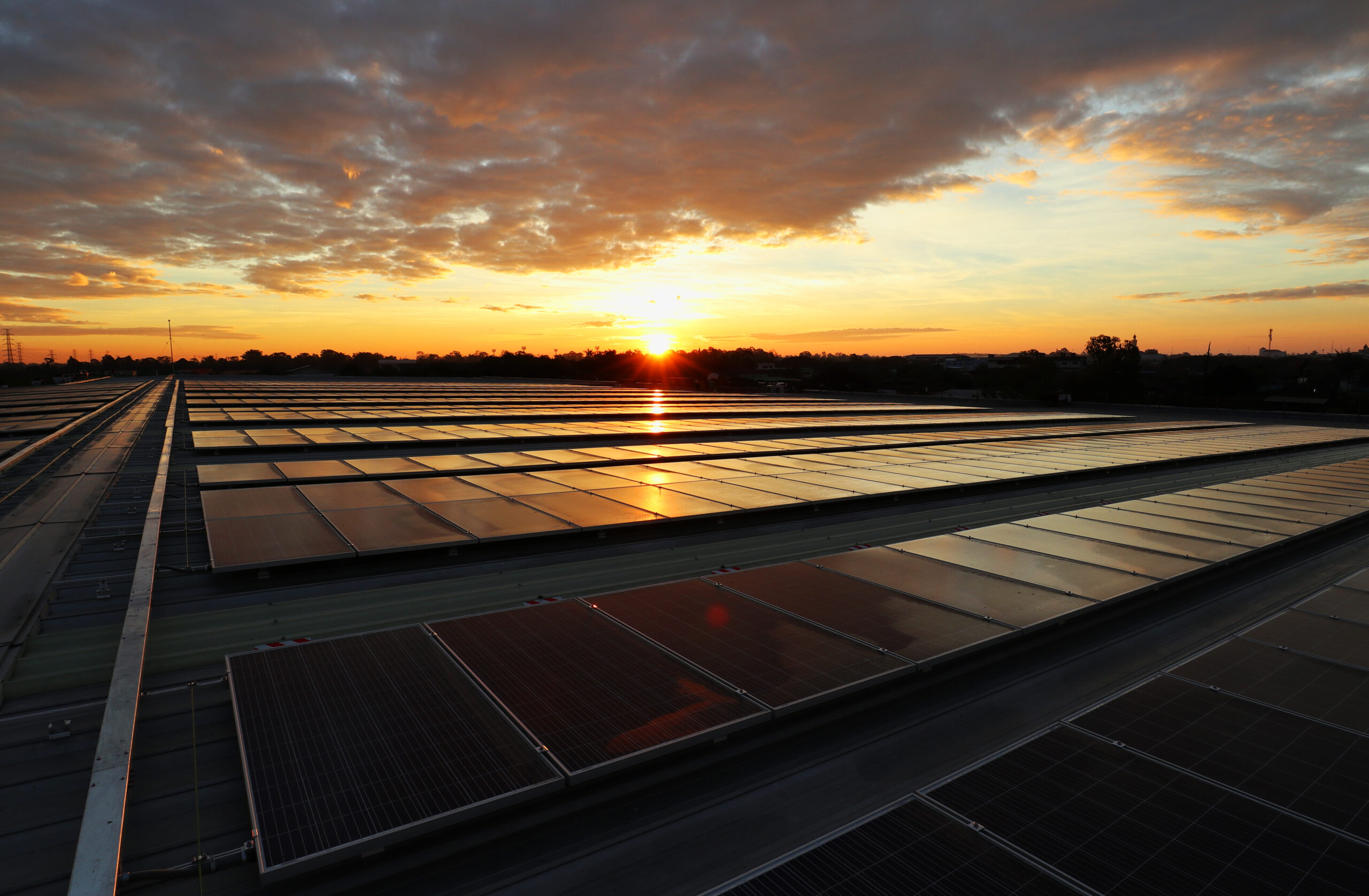
When demand exceeds what the factory roofs can cover. A park on nearby land or within the estate supplies the missing energy, stabilises costs over the long term and can be shared with neighbouring companies.
It means technical and economic feasibility, design, permits, and grid access and connection are all secured, so the project can be financed and built.
In individual self-consumption, the installation supplies a single consumer. In shared self-consumption, several nearby consumers share the same installation according to agreed allocation coefficients.
Under Spain's Royal Decree 56/2016, large companies (more than 250 employees, or turnover above €50M and a balance sheet above €43M) must carry one out every four years and submit it to the authorities.
Spain's Energy Savings Certificates (CAE) certify the energy saved by an efficiency measure and can be sold, so the saving also generates extra income.
From 2028, the new EU emissions trading system will add a CO₂ cost to fuels used in buildings, road transport and smaller industry, which suppliers will pass on in their prices.
Because they burn the most diesel and gas covered by the new market. The CO₂ cost will show up in fuel prices, and electrifying fleets and heating, or making them more efficient, is how to protect the bottom line.
We haven't found any questions with this search. Ask the team directly.