What are the challenges in implementing an Energy Community?

The Concept of Energy Community or any of its derivatives, Local Energy Community, Citizen or Renewable Energies, is being the subject of great interest by municipalities and other local administrations throughout Europe.
The Ministry of Ecological Transition asked for expressions of interest, that is, how future projects of Local Communities would be approached, which could be funded with European funds to promote economic recovery. The call closed on February 26 of this year and it seems that the Ministry received more than 700 proposals.
We can understand that, given that they have specifically requested what interest this topic generates, there will be projects from Local Communities that can be submitted in the corresponding calls for applications to receive grants and funding.
However, there is no need to wait for subsidies to be available; no one can guarantee whether their project will receive them, in order to activate initiatives in this regard.
The experience that the pilots we have worked with in various municipalities have given us tells us that the most complex part is not the technical part, but the part of establishing a new relationship between municipalities and citizens, to talk about energy transition based on sharing interests.
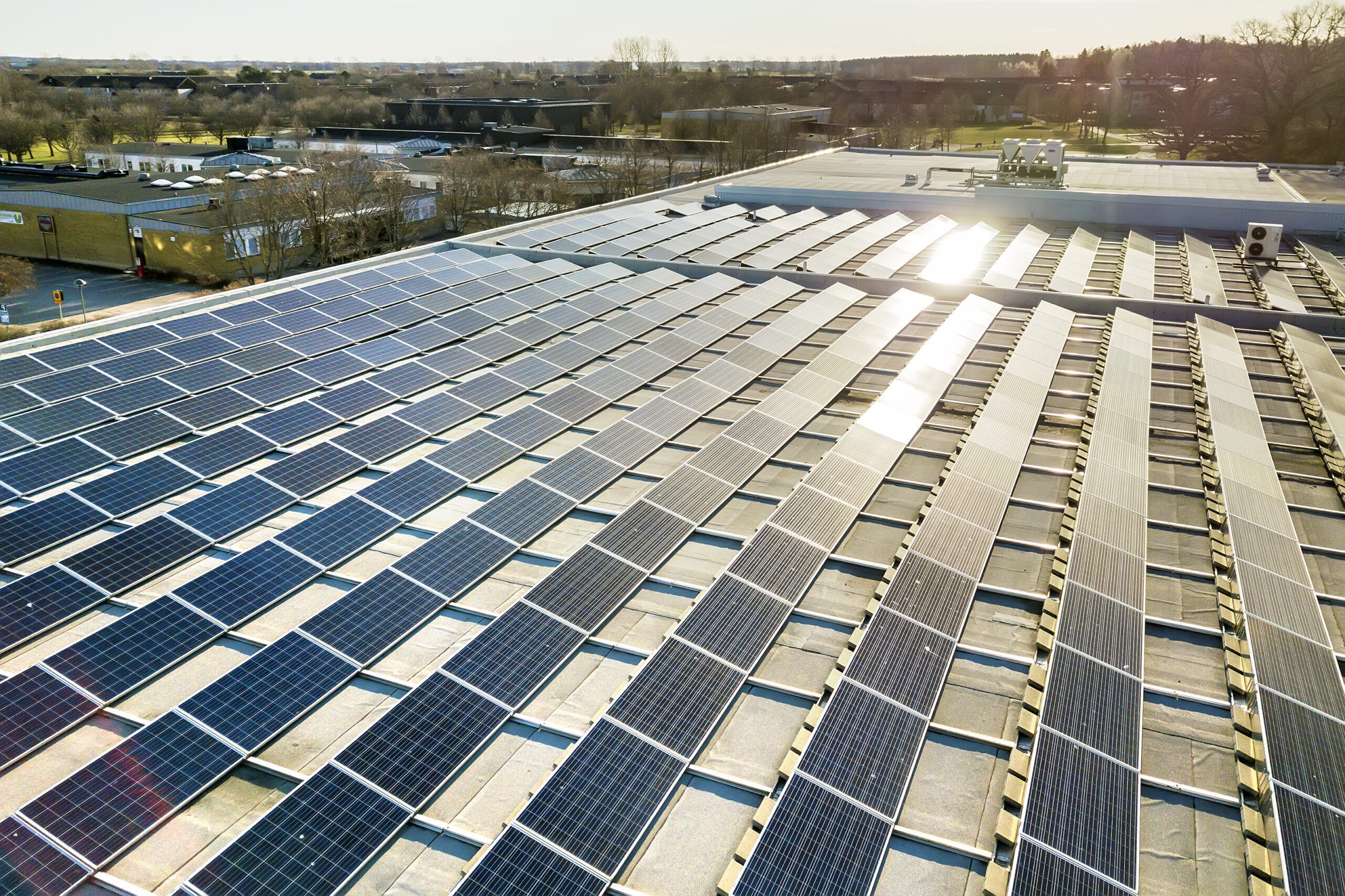
The Energy Communities that can be created today are, strictly speaking, shared self-consumption systems where the roofs are municipal and the municipal and domestic consumption is less than 500 meters away.
The first hurdle to resolve is of a legal nature, since the administration’s contracting regime is very demanding, but thanks to the determined intervention of the Girona Provincial Council An accepted methodology has been established by the secretaries of the municipalities where it has been implemented.
Considering that the technical aspect of assessing optimal roofs and the necessary power requirements, plus the information that the distributor must provide in order to activate the shared self-consumption system and proceed with the installation of the modules, presents no more problems than a slower process that is not complicated; it remains only to decide how to structure the communication in order to persuade the public to actively participate in these types of projects, which are the seeds of the future Citizens’ Energy Communities.
That is why in the projects in which KM0 Energy When participating, the two actions are put in parallel: the technical one and the communication one. We cannot forget that the change of model will be achieved if the public accepts the challenge of being at the center of the energy system.
Author: Santi Martínez Farrero. General Director of KM0 Energy
Article published on the platform The City Council Promotes