
The price of energy and the peasantry
What to do in the face of increasingly expensive energy prices?
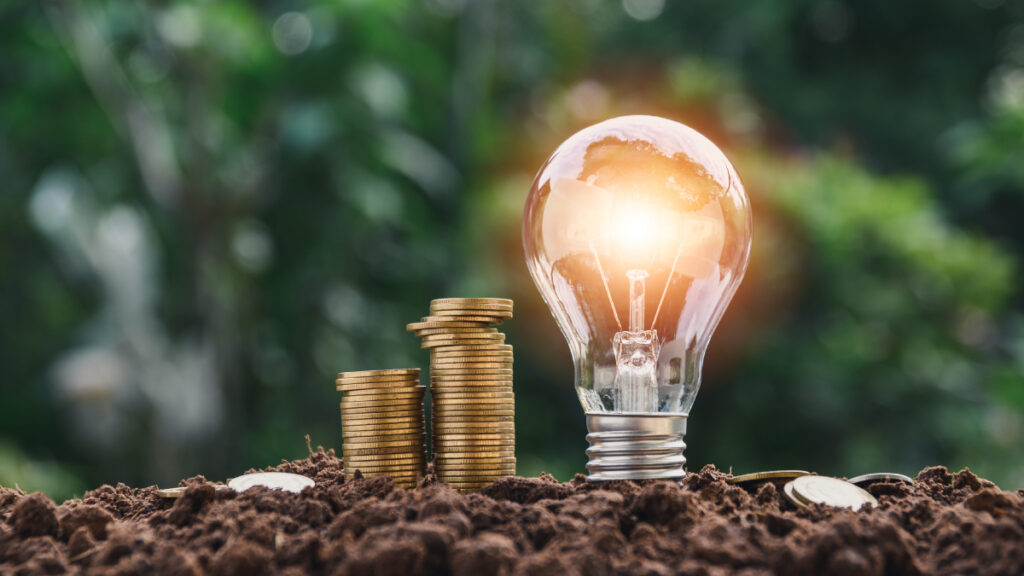
All pockets are suffering from the continued increase in the price of fuel, gas and electricity, and the situation is worse for the rural population than for anyone else. Indicators and expert opinion do not suggest that this will change in the short term, and they indicate that it will become increasingly expensive to use energy that is purchased.
There are explanations of all kinds. There is talk of the high internal demand for energy in China and the depletion of its coal mines, which are becoming increasingly scarce and more expensive to extract. There must also be taken into account the increase in the price of gas, on the one hand for geo-strategic reasons based on the interests of Russia and from countries in the North of the Maghreb, due to internal conflicts and with neighboring countries. Next we have the system for fixing the price of electricity in the bill, which is passed directly to consumers, and is conditioned by the high price of gas, impacted by CO taxes.2. In Portugal, for example, the market price does not directly pass on to the bill; instead, the price paid is the average of the last 12 months, so the increases reach consumers much more slowly. Moreover, regarding gas, if a European company has a contract with an African company, which imposes a 30% penalty if the contracted gas is not delivered, there are liquefied gas transport vessels that, when they are at sea, change course towards Asian countries, which pay the gas price, the 30% penalty and an extra premium in order to receive urgent supplies. All these tensions occur at the same time and pressure the price of electricity and other fuels, which have no problem raising prices, given a favorable situation of generalized increases.
When we talk about CO price2 And regarding its effect on the price of gas, we must bear in mind that the CO taxes2 They should make local products more attractive, because the cost of transportation is lower, and this puts them on an equal footing with products grown extensively in distant countries that can afford the cost of fuel, which is subsidized. If they have to pay the cost of CO emissions in the journey from their country of origin to our home, they should also pay the cost of emissions from their vehicles.2, It is obvious that this price increase is detrimental to these products that distort the market price, taking into account the real costs that our farmers have to bear.
But the question is whether we can do anything, or whether we have no choice but to endure these rises, with nothing to do about it.
In Catalonia, in terms of energy, we haven’t been doing our homework as a country for many years now, and the degree of dependence on supplies from other countries is extremely high. Catalonia has no uranium mines, no oil or gas wells. Those who have their ass on the line don’t sit still when they want to, and that’s the situation. Catalonia has sun and wind, but opposition to the installation of any kind of energy infrastructure in our territory seems to be very varied and constant. While we debate this, the nuclear, oil and gas companies are rubbing their hands together and, in addition, increasing their profits.
If the energy strategy has not mobilized us as a country, perhaps we should take it on individually and do something to influence the energy prices. There are solvent, mature, and economical technologies available to act and regulate the energy cost we pay to carry out our activities and maintain a level of comfort that we do not want to abandon, but also to prevent our businesses from being de-capitalized by increases in costs that we are unable to pass on to the selling prices of our products. How many years has milk been sold below the cost price? How many products from the land are not viable without subsidies? How can a significant increase in energy costs be sustained without going bankrupt?
The energy costs that a family or a business pays usually consist only of the payment for what we consume, but we must consider that this cost can be reduced and that, in addition, we can obtain income that fully or partially compensates for what we pay.
It is not a magic formula. The agricultural and livestock sectors have great potential and, often, unused land exists.
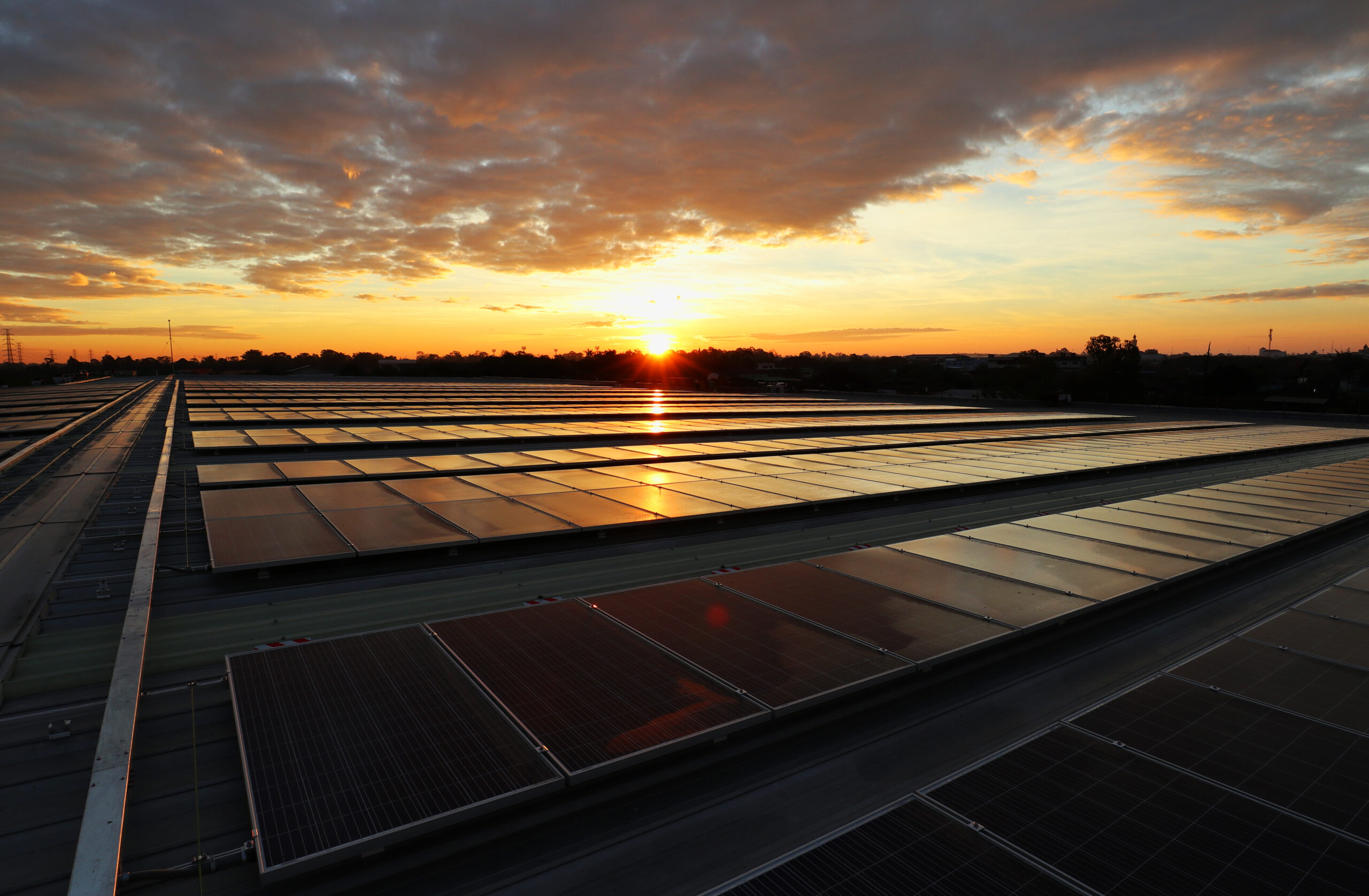
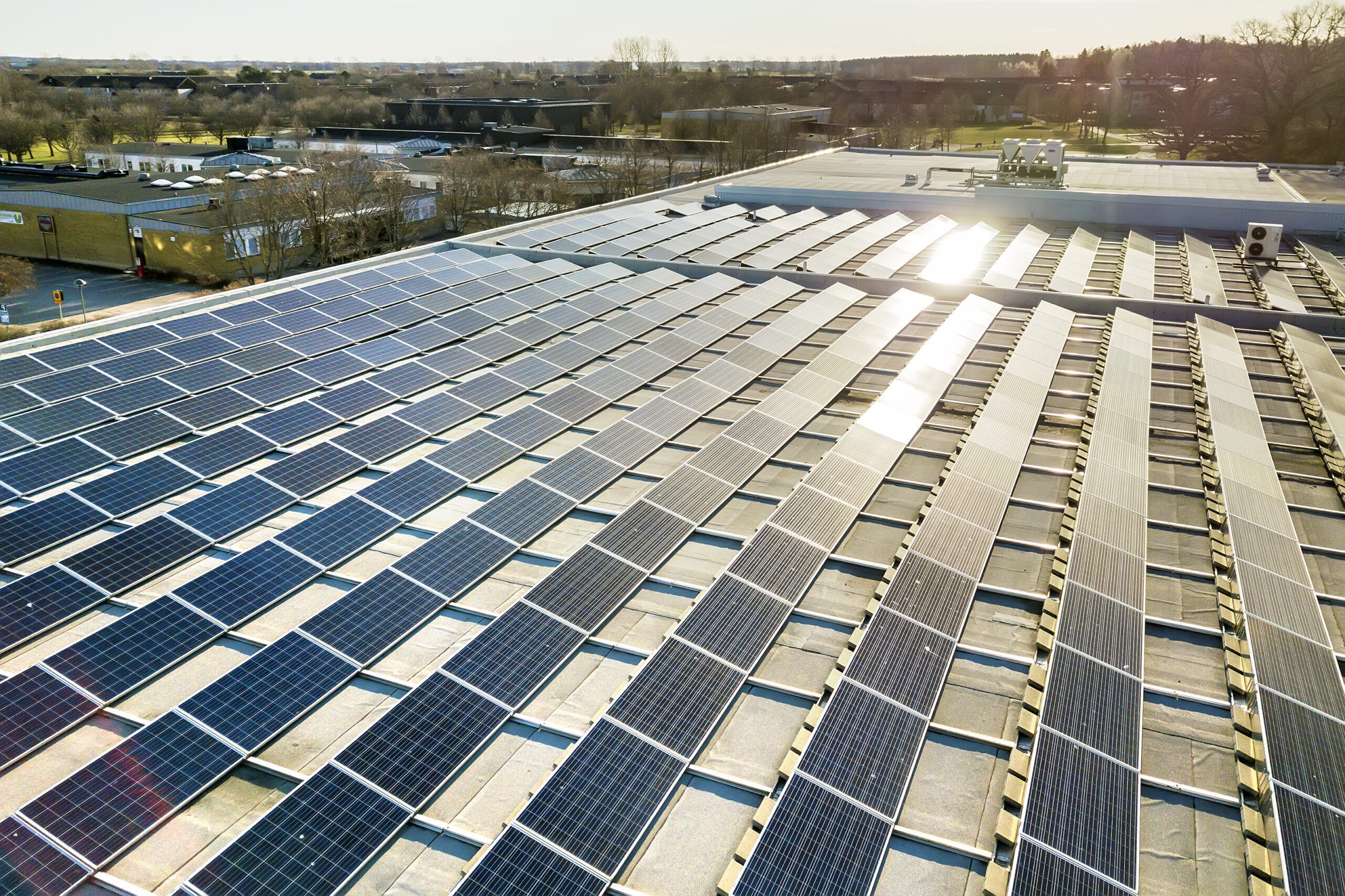
To reduce costs, you can take advantage of the subsidies offered by the Generalitat for self-consumption systems and batteries that make the installation of solar panels or some mini-wind system very profitable. We must bear in mind that electricity is paid for in bills at about 14 cents per kWh, and that producing electricity on the roof costs between 5 and 6 cents per kWh, so the savings are obvious, but it should also be taken into account that installing solar panels means buying electricity for 30 years at a fixed price.
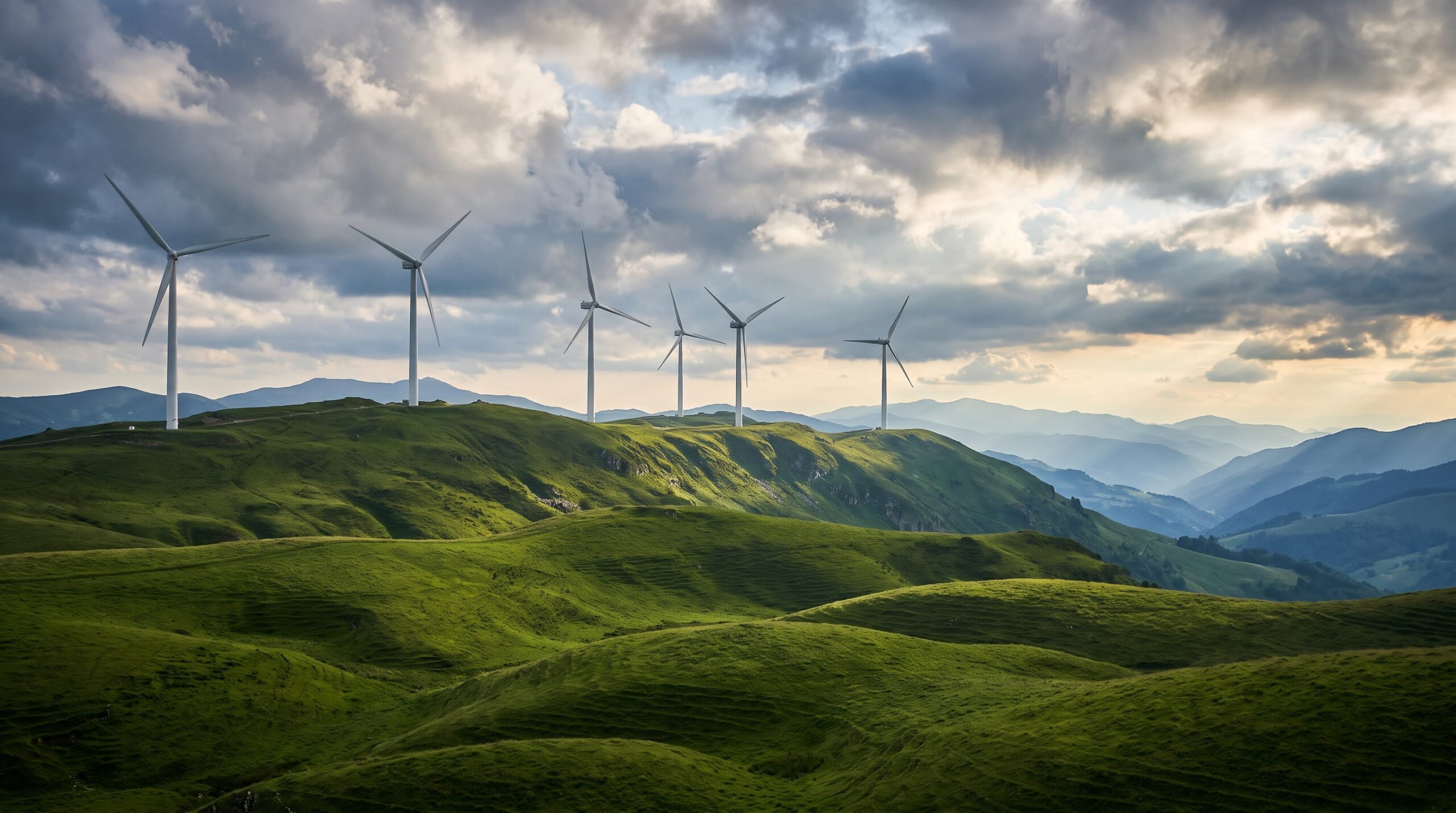
Another option, compatible with this, is to obtain a yield from bare land, where a solar or wind farm can be installed. Usually what is done is to rent it out to a development company, which will pay a rent and may be open to having part or all of the rent paid over 30 years capitalized and the ownership of the land converted into a partner in the operation of the park.
Finally, it is clear that we must continue to complain about the high prices we have to pay for fuel, but we can also take action to address this issue individually.
Author: Santi Martínez Farrero. General Director of KM0 Energy
Article published in the magazine La Terra, by Unió de Pagesos