Demand management. Here and now.

I am sure that my grandfather found it dizzying to go from having electricity in the village in 1921 to having a television in a bar five kilometers away, in just fifty years.
Evolution takes place in stages that, when viewed from the past, seem long and stable, but when viewed from beneath our feet, they give the impression of continuous movement with a tendency towards geometric growth in a system where entropy reigns.
If we go back to our days, in 1980 digital meters began to be used with the aim of simplifying the process of reading meters, and in the 2000s the first large deployment of smart meters was made in Italy. Data began to become important for the electricity sector. Forty years have passed, and data and metadata have gained importance, going from optimizing the operations of electricity companies to providing information to users about their consumption pattern and how to optimize their energy costs, relying on Artificial Intelligence systems.
In 100 years, having electricity has gone from being a luxury to a basic service, while information about energy flows has taken over the spotlight.
We have fast, robust and cheap telecommunications, value-added services in the cloud, artificial intelligence and technologies developed in the last decade. Convergence allows us to affirm that, in the event of a power grid outage, it is just as safe to start a power generation plant as it is to reduce demand.
The quality of service of the electricity system in developed countries is very high. In the analog world, this is achieved thanks to the availability of power plants that are either shut down or operating at low output, which represent a significant fixed cost for the system, since they are only activated when the system manager identifies a supply problem in a geographical area. In the digital world, the same quality of service can be provided, but with variable costs, by activating demand management only when the system requires it, without this representing the maintenance of large infrastructures.
For this to be possible, a change in role must take place on the part of companies, in the sense of transitioning from being mere consumers to system actors, providing flexibility services for which they will receive significant financial compensation.
The simplest case to manage and explain is that of industrial refrigeration. A company that has refrigeration units operating continuously can offer, at certain times of the day, to stop the compressors or reduce their activity, since if the insulation is correct this change will not affect the contents of the refrigerators. In terms of demand management, there will be a reduction in consumption, since these systems are called flexible.
In a situation of generation problems or technical restrictions, the system manager, or the area distributor, may request that demand management services be activated, reducing consumption to compensate for a lack of generation, and they will do so by offering a high price for this solution because, we insist, it is a variable cost that prevents the creation of infrastructures that must be maintained 365 days a year.
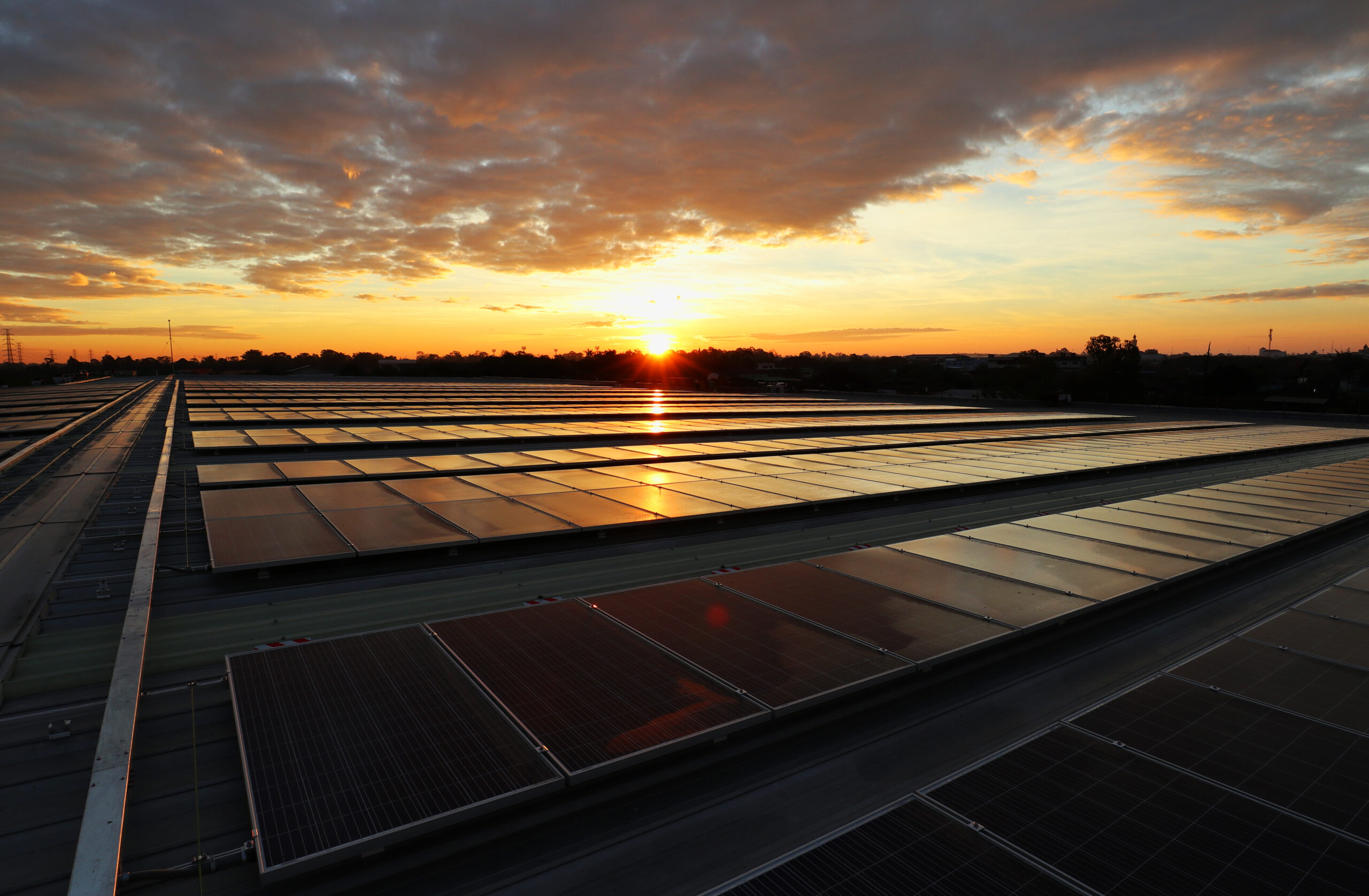
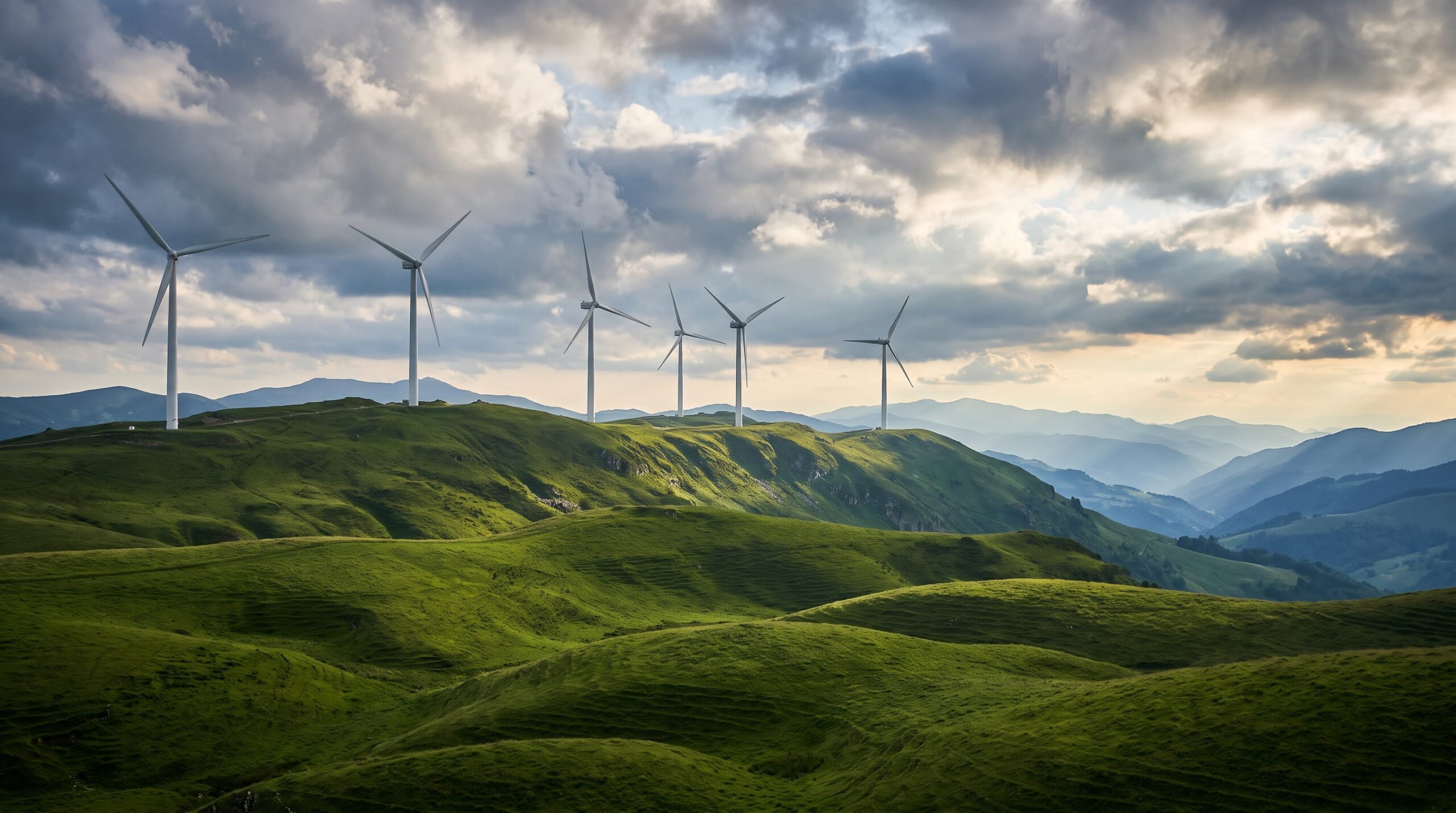
We need renewable generation to increase to meet the challenge posed by global warming, but we must not forget that it is a type of intermittent generation and difficult to predict, so it is essential that we are able to manage demand in large volumes in order to have a stable system.
The energy system, and electricity in particular, has shown little ability or willingness to communicate and be transparent with its customers, and now they need it.
The European Commission demands putting citizens at the center of the electricity system, and it will be essential to find communicative and rewarding strategies that appeal to them.
It is time to advance in managing the potential for flexibility in companies, always keeping an eye out for the emergence of the next technology, which will appear… tomorrow.
We are conducting pilots, at no cost to those interested, to assess the potential for flexibility in companies and bring it to the market by the end of 2021. We would like to talk with you!
Author: Santi Martínez Farrero. General Director of KM0 Energy
Article published in the magazine of Foundation Enterprise and Climate