UN Sustainable Development Goals. What can we do?
What are the SDGs?
In September 2015, the UN made public the Sustainable Development Goals for 2030, after many years in which activists and scientists had been telling us that the evolution of the climate was being very rapid and could lead to many complications in the short term.
The first to publicly activate it in 2015 was Pope Francis, with the encyclical Laudato si, Also known as the Climate Encyclical, warning and saying that the environment is a common good, that is, it is everyone’s responsibility. Obviously, Pope Francis wanted to influence everything that came next, which was the G7 declaration that said that by the year 2100 fossil fuels would not be used, and the COP 21 in Paris warning of the importance of not exceeding 2 degrees Celsius in the average temperature of the planet, and the efforts that had to be made to keep the average temperature of the planet from exceeding 1.5 degrees Celsius.
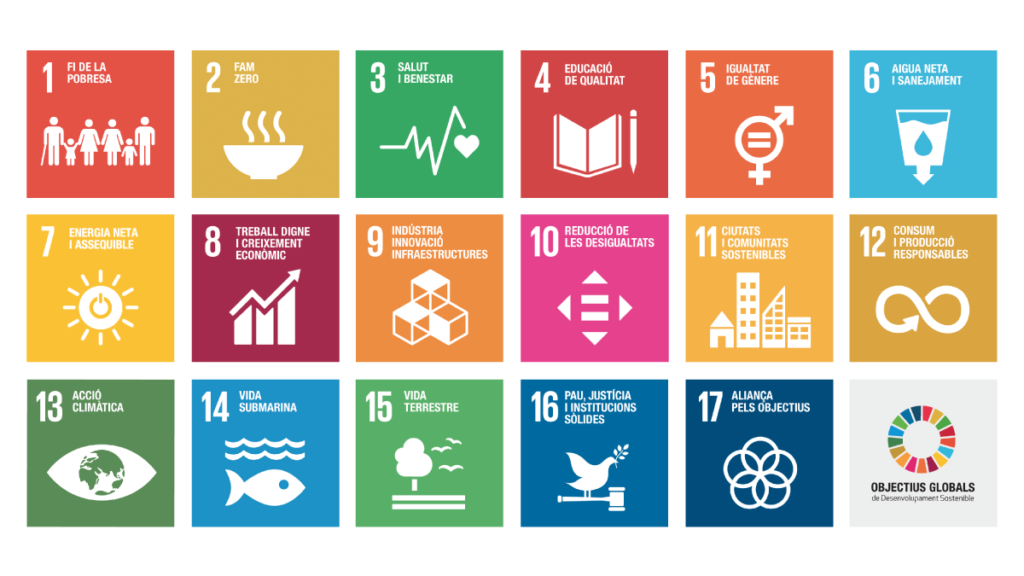
Three months before COP 21, the UN published the 17 Sustainable Development Goals (SDGs), which cover a wide variety of topics; we list them below only to give you an idea of their scope:
Many of the goals are cross-cutting, such as gender equality and the environment, but we will take advantage of one more specific goal, Goal 7, to understand how they are structured.
The title is Clean and affordable energy, which indicates the two main characteristics that the Objective will have, as it talks about the origin and the way to generate it and the importance of it being affordable for everyone, which is expressed in the objective’s motto, which says Guaranteeing access to affordable, safe, sustainable and modern energy for all people.
This very broad statement is broken down into five milestones, in order to make it more tangible, and they are the following:
7.1 By 2030, ensure universal access to affordable, reliable and modern energy services.
At this point, it focuses on what the administrations at all levels must do to ensure that citizens enjoy what the Objective indicates.
7.2 By 2030, substantially increase the share of renewable energy in the overall energy mix.
This point, however, is directed at citizens and companies that need to invest in this new renewable generation. This will be possible if the regulations favor it, but also if citizens pressure for it to be so.
7.3 By 2030, double the global rate of improvement in energy efficiency.
Global quantification of the objective, but not for the part of energy generation, but in the part of responsible consumption and actions that facilitate the reduction of consumption, while maintaining comfort or productivity levels. It is about using energy efficiently.
7.a By 2030, increase international cooperation to facilitate access to research and clean energy technologies, including renewable energy sources, energy efficiency, and advanced and less-polluting fossil fuel technologies, and promote investment in energy infrastructure and clean energy technologies.
This is another milestone aimed at the administrations that must make this possible; in our case, starting with the European Commission and continuing with the governments of the member countries, so that innovation is based on cooperation, as an accelerator and not as competition.
7.b By 2030, expand infrastructure and upgrade technology to provide modern and sustainable energy services for all developing countries, in particular least developed countries, small island developing States and landlocked developing countries, in accordance with their respective support programs.
Finally, the UN reminds us that developed countries must pull resources from developing countries to achieve higher levels of well-being, as a tool to prevent migrations and population displacements against their will.
What can we do at the individual level?
As we can see, they are great goals, very ambitious, but it is difficult to see what kind of activity we as citizens can have to join this movement.
We continue with objective 8, and we will take advantage of this to comment on the recommendations made by the Barcelona Provincial Council:
- Insulate windows and doors to increase energy efficiency.
Generally speaking, it can be said that inadequate insulation wastes 30% of the energy consumed to heat or cool a home. Today, being able to heat a home is considered basic, but with the evolution of climate change it may soon become essential to have cooling systems.
- Adjust the thermostat, lower in winter and higher in summer.
- Replace old household appliances with models that provide more efficient energy consumption and change the light bulbs in your home.
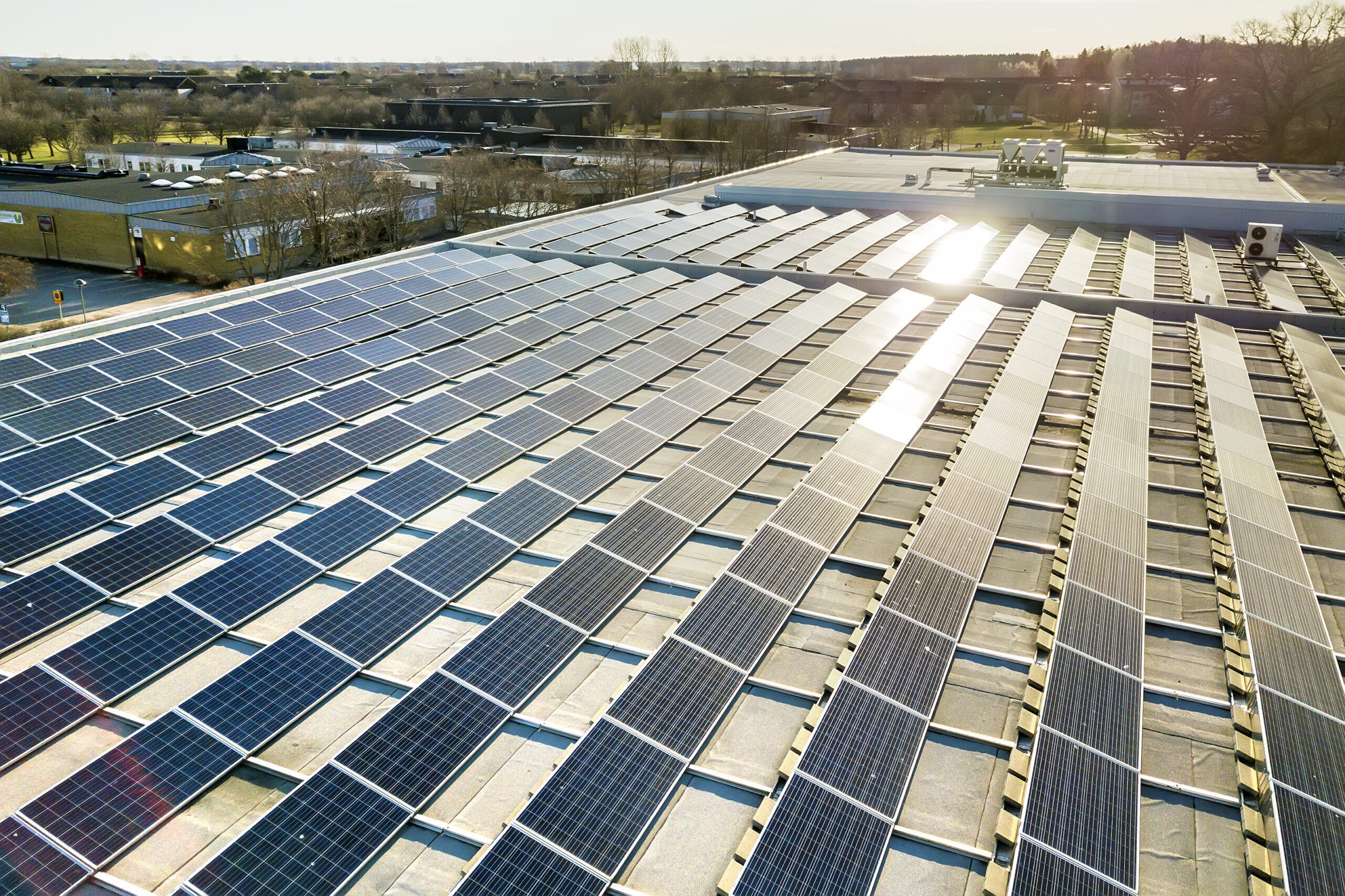
- If you can, install solar panels in your home. This will also reduce your electricity bill.
- If you use a dishwasher, do not rinse the dishes before putting them in the machine.
- Get to work by bike, on foot, or by public transport. Book car trips for when there are a large group of people.
- Contract your home utilities with green energy companies.
Everyone, individually or collectively, can participate and help achieve this goal and that of others.
Adopting the SDGs means working for humanity and its survival.
From KM0, what we do is accompany organizations and institutions on their journey to achieve and integrate the Sustainable Development Goals into their organizations.
Author: Santi Martínez Farrero. General Director of KM0 Energy
Article published in the magazine La Terra, by Unió de Pagesos