

Strategies for CO2 reduction and energy efficiency
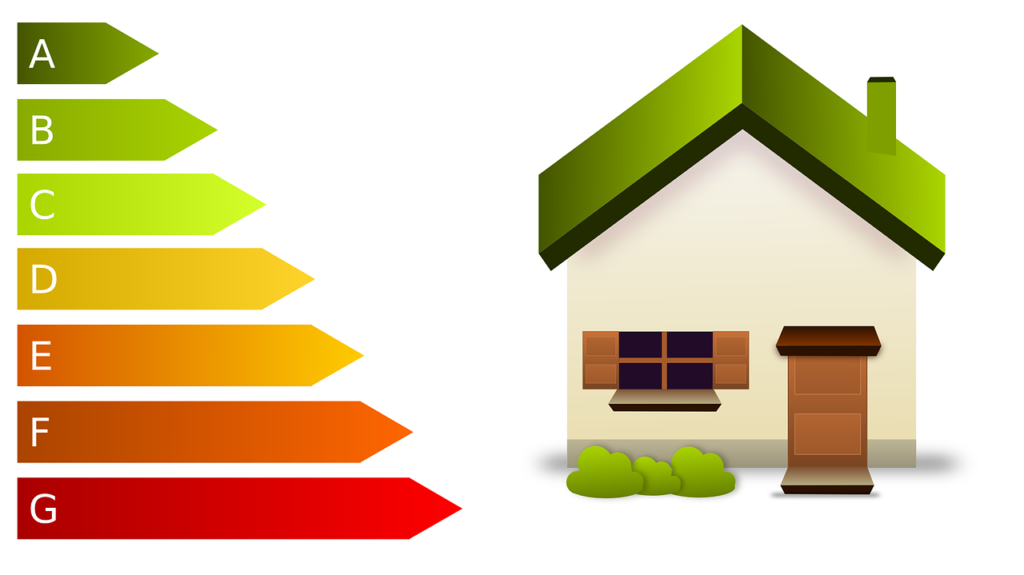
When we talk about CO reduction strategies2 And regarding energy efficiency, we must focus on the energy efficiency pyramid, which sets out the path to follow to achieve our goals:

Energy monitoring: At the base of the pyramid we find “Energy Monitoring”, because we cannot analyze and correct what we have not previously accounted for. It is very important to have tangible data about our consumption and our emissions.
Nowadays, there are energy consumption monitoring equipment on the market that work with different communication protocols and can be adapted to the needs of each installation.
Improvements for behavior and maintenance: The first thing we will find when we start monitoring the facilities are consumptions that should not be there, and furthermore, when we start working to reduce energy consumption, we begin to become aware of the bad practices of the staff.
A training and communication plan that helps improve the maintenance protocols for equipment and contributes to creating a culture of energy efficiency at work are low-cost but very effective actions.
Improvement in energy contracting: Contracting energy with distributors that only offer 100% renewable energy, or requesting guarantees of the origin of the energy we consume, will help us achieve our goal of decarbonization through the reduction of CO2 emissions.2.
Demand reduction improvements: Once the energy efficiency pyramid is reached, and before investing in changing equipment to more efficient ones, what must be done is to reduce the demand in our facilities. This can be done by adjusting the setpoint temperatures of process water, adjusting the pressure of air-consuming equipment, improving the insulation of the building’s envelope, or adjusting the lighting levels, among other things.
Consumption reduction improvements: Efficient technologies can be installed in the existing equipment of our facility. This will allow us to reduce its final energy consumption (installation of economizers in boilers, frequency inverters in motors, floating condensation systems in cold production units, control systems for purge systems in steam boilers…). Alternatively, the direct replacement of equipment with more efficient ones can be carried out if the investment is amortizable.
Implementation of renewable energy sources: We are at the peak of the pyramid, and we already have an efficient installation with optimized energy consumption. The next step is the implementation of renewable energy sources to further reduce our CO emissions.2. For example, with the implementation of solar self-consumption, the installation of a biomass boiler or a geothermal heat pump.
We are facing a reality in which reducing CO emissions is essential.2 It is essential, and the energy efficiency pyramid should serve as a guide for companies to put their efforts into the path towards decarbonizing the economy.
Author: Patricia Piqué. Energy Consultant, with CEM Certification from the AEE.