Heavy transport
Medium and long-haul lorries, shuttles between sites and regional routes.

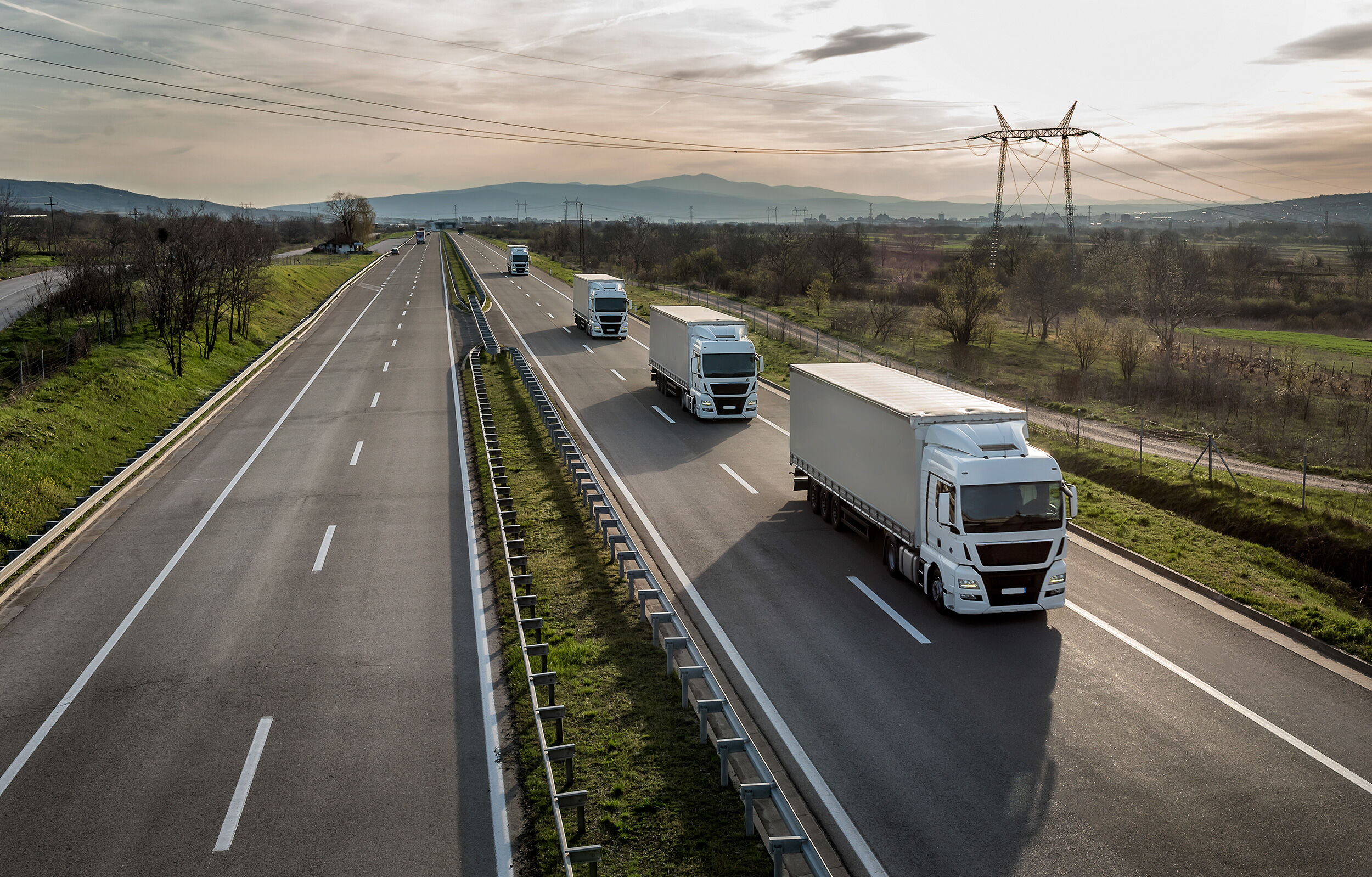
Transport is one of a company's biggest energy users, and one of the areas set to change most. We help you electrify freight and passenger fleets based on real routes, so every vehicle leaves charged on time and operations are secured.
Medium and long-haul lorries, shuttles between sites and regional routes.
Vans and light trucks that return to base every day.
Urban, intercity, school and private-hire transport.
Municipal, maintenance and field-service vehicles.
We start from how the fleet works today to decide what to electrify, when and with what infrastructure.
Distance, load, gradients, stops and dwell times for every vehicle.
Which can be electrified now, and with what range.
Where and when to charge: at the depot, en route or at destination.
What the grid can supply and how to cover the rest with solar and batteries.
Comparison with diesel and a phased electrification plan.
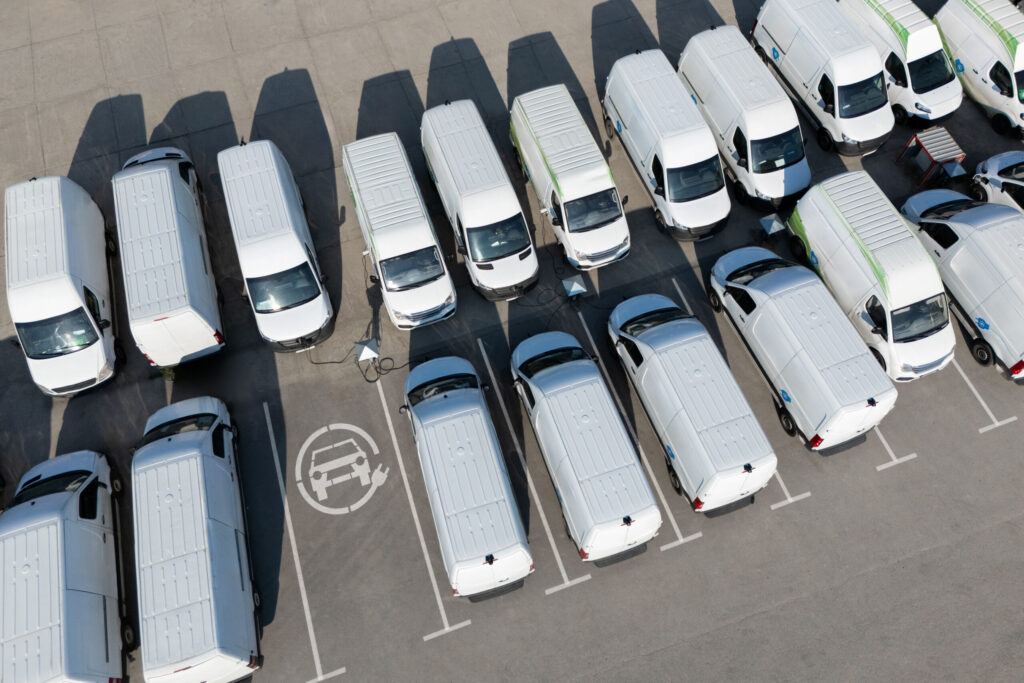
Electrifying a fleet only works if every vehicle leaves charged on time. We size the charging infrastructure, the power supply and, where needed, a back-up battery, so operations are secured without your bill soaring.
The depot is where electrification is decided. A large logistics warehouse has a roof to generate power, space for batteries and, often, neighbours to share energy with.
Your own energy for charging and for the building.
The extra power needed at peak charging times.
Connection and infrastructure shared across the estate. Find out more →
The new EU carbon market will be added to the price of diesel. Planning electrification today protects tomorrow's bottom line. Want to know how it will affect your fleet?
Real routes, electric fleets ready to roll.
Talk to an expert